Freya Vogel · 31 October 2026
Tenora Makers Partner with Climate Scientists on Reed Crop Resilience Projects
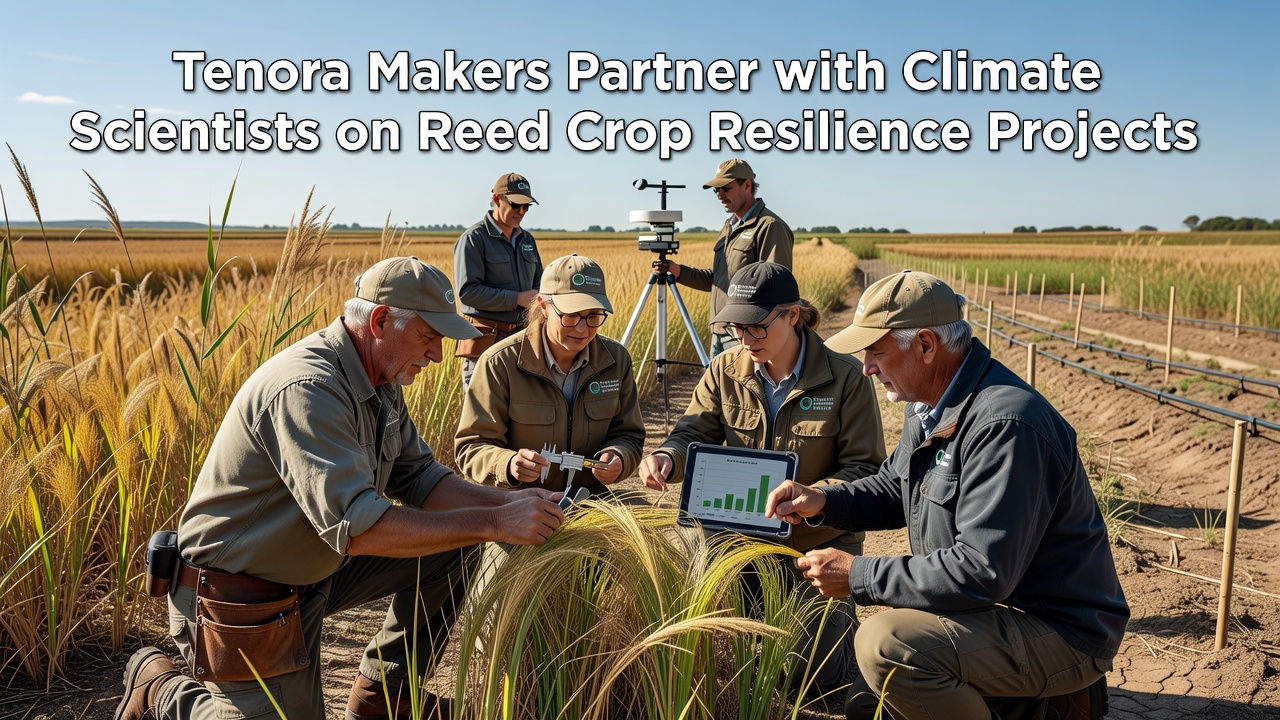
Tenora makers in Catalonia have joined forces with climate scientists to address challenges in reed crop production for the traditional instrument, and these collaborations focus on developing varieties that withstand shifting weather patterns while maintaining the acoustic qualities required for performance. The projects draw on field trials, genetic analysis, and long-term monitoring programs that began gaining momentum in recent years and continue through scheduled assessments in October 2026.
Reed Sourcing in Traditional Tenora Construction
Artisans select Arundo donax reeds from specific regions in Catalonia because the plant's density and flexibility produce the precise vibration needed for the tenora's distinctive tone, and historical records show that makers have relied on local harvests for generations while adapting sourcing practices when supply fluctuates. Climate variability now affects growth cycles, with changes in temperature and rainfall altering reed maturation rates, and data collected across multiple farms indicates that consistent quality depends on stable environmental conditions during key growth phases.
Partnership Structure and Research Methods
Teams combine expertise from instrument workshops and university laboratories, where scientists apply techniques such as selective breeding, soil analysis, and irrigation modeling to test resilience traits. Researchers track variables including drought tolerance and pest resistance across experimental plots, and results from controlled environments show that certain reed strains maintain structural integrity under elevated stress levels compared with traditional stock. Field data gathered in 2025 and 2026 provides baseline measurements for ongoing adjustments, while satellite imagery supplements ground observations to map broader regional patterns.
Key Projects Underway
One initiative centers on cross-regional trials that introduce reed samples from varied microclimates into Catalan farms, and early harvests reveal differences in fiber composition that influence sound projection. Another effort examines soil amendments derived from local agricultural byproducts to improve water retention without synthetic inputs, and measurements taken at regular intervals document changes in plant height and stem thickness. A third component involves collaboration with agricultural extension services that share findings on similar grass species grown in other Mediterranean zones, allowing makers to compare outcomes and refine selection criteria for future plantings.
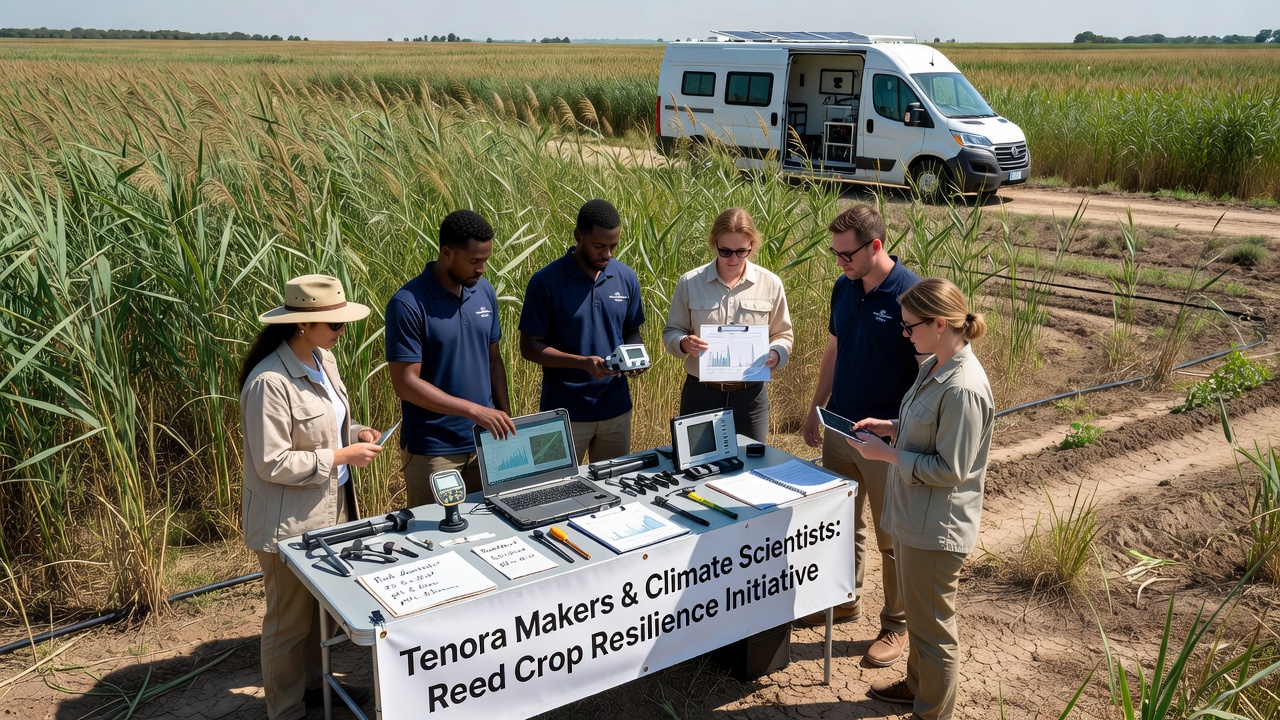
Observers note that these projects integrate traditional knowledge held by makers with quantitative data sets produced by climate modeling teams, and the combined approach yields practical recommendations for cultivation calendars that align planting and harvesting with projected weather windows. Studies conducted by institutions in southern Europe have documented comparable adaptations in related crops, while reports from Australian research groups on Arundo management provide additional reference points for handling variable moisture conditions. Participants schedule joint reviews in October 2026 to evaluate harvest outcomes and determine which strains advance to larger-scale propagation.
Data Collection and Monitoring Protocols
Monitoring stations installed at test sites record temperature, humidity, and soil moisture at hourly intervals, and the resulting datasets feed into predictive models that forecast yield under different climate scenarios. Makers contribute by evaluating reed performance during instrument assembly and testing, noting how variations in density affect tuning stability and response. This feedback loop ensures that resilience improvements translate directly into usable materials rather than remaining theoretical. European Environment Agency summaries on regional climate trends supply context for interpreting local measurements, while additional comparisons draw from North American agricultural studies on perennial grasses facing similar shifts.
Broader Implications for Instrument Traditions
The partnerships extend beyond immediate supply concerns to support long-term continuity of tenora playing in festivals and ensembles, and documented progress in crop management helps stabilize material availability for both professional and student instruments. Community workshops organized alongside the scientific work share updated growing guidelines with farmers who supply reeds, and participation rates indicate sustained interest in applying new methods. Records kept by participating farms show incremental improvements in survival rates during dry periods, and these gains accumulate across successive seasons as refined varieties replace older ones.
Conclusion
Coordinated efforts between tenora makers and climate scientists continue to generate actionable information on reed crop resilience, and the structured projects scheduled through October 2026 represent measurable steps toward securing consistent material sources. Data gathered from these initiatives informs both cultivation practices and instrument design adjustments, while external references from agencies across multiple continents provide supporting context for regional findings. The process demonstrates how traditional crafts adapt through systematic observation and cross-disciplinary exchange without altering core performance characteristics.